
Last Updated: October 17, 2026
When a pipe bursts, water spreads through walls, floors, and ceilings within minutes. The first question most homeowners ask is whether does home insurance cover pipe bursts and the resulting water damage.
The answer depends on the cause. Most policies cover sudden, accidental water damage from burst pipes, but not gradual leaks, frozen pipes from neglect, or damage from lack of maintenance. The difference between “covered” and “not covered” can mean thousands of dollars out of your pocket.
With over 45 years of experience handling plumbing emergencies across the Dallas-Fort Worth area, 308 Solutions Group understands what insurers look for. This guide covers what your policy does and doesn’t cover, and what to do if a pipe bursts.
Pipes burst for several reasons, and the cause determines whether insurance pays.
Sudden freezing is the most common cause in cold climates.
Age and corrosion weaken pipes over decades: copper develops pinholes, galvanized steel rusts from the inside out, and PVC becomes brittle. Failure is usually sudden, with no warning.
High water pressure stresses pipes constantly. Pressure above 80 PSI strains fittings and seals, and a spike from a water main break or pump failure can rupture a pipe instantly.
Physical damage from construction, settling, or impact can crack or puncture pipes. A nail driven through a wall during renovation, or a pipe crushed by shifting foundation, counts as sudden damage.
Poor maintenance leads to gradual problems insurance won’t cover: clogged drains, debris blockages, and lack of winterization. Insurers classify these as maintenance-related rather than sudden accidents.
The key phrase in most policies is “sudden and accidental.” A burst without warning and without neglect is likely covered; gradual deterioration or failure to maintain your home usually gets denied.
Yes, does home insurance cover pipe bursts, the answer is that homeowners insurance typically covers water damage from burst pipes, but with limits. Coverage applies when the rupture is sudden and accidental, not the result of poor maintenance or neglect.
Most standard policies cover interior water damage from burst pipes, walls, flooring, drywall, insulation, and personal belongings, up to your policy limits, minus your deductible.
What’s typically covered:
What’s usually NOT covered:
The distinction matters: insurance will likely pay to replace water-damaged kitchen cabinets, but probably won’t pay a plumber to fix the burst pipe itself.
According to the National Association of Insurance Commissioners, most standard homeowners policies define covered water damage as loss from a “sudden and accidental” event. This language is the gatekeeper for whether your claim gets approved or denied.
Frozen pipes are a gray area: coverage depends on whether the freeze was truly unexpected or resulted from your failure to protect your home.
When frozen pipe damage IS covered:
Your insurance typically covers burst damage from frozen pipes if you took reasonable steps to prevent freezing: heating your home normally, maintaining your heating system, not leaving the home unheated for extended periods, and keeping pipes in normal locations with normal insulation. If a pipe freezes and bursts despite those efforts, the water damage is usually covered.
When frozen pipe damage is NOT covered:
Insurance denies frozen pipe claims when the freeze resulted from negligence: leaving the home unheated, failing to insulate pipes in vulnerable areas (attic, crawlspace, exterior walls), not opening cabinet doors, ignoring hard-freeze warnings, or not dripping faucets in extreme cold. The key question insurers ask: “Did the homeowner take reasonable precautions?”
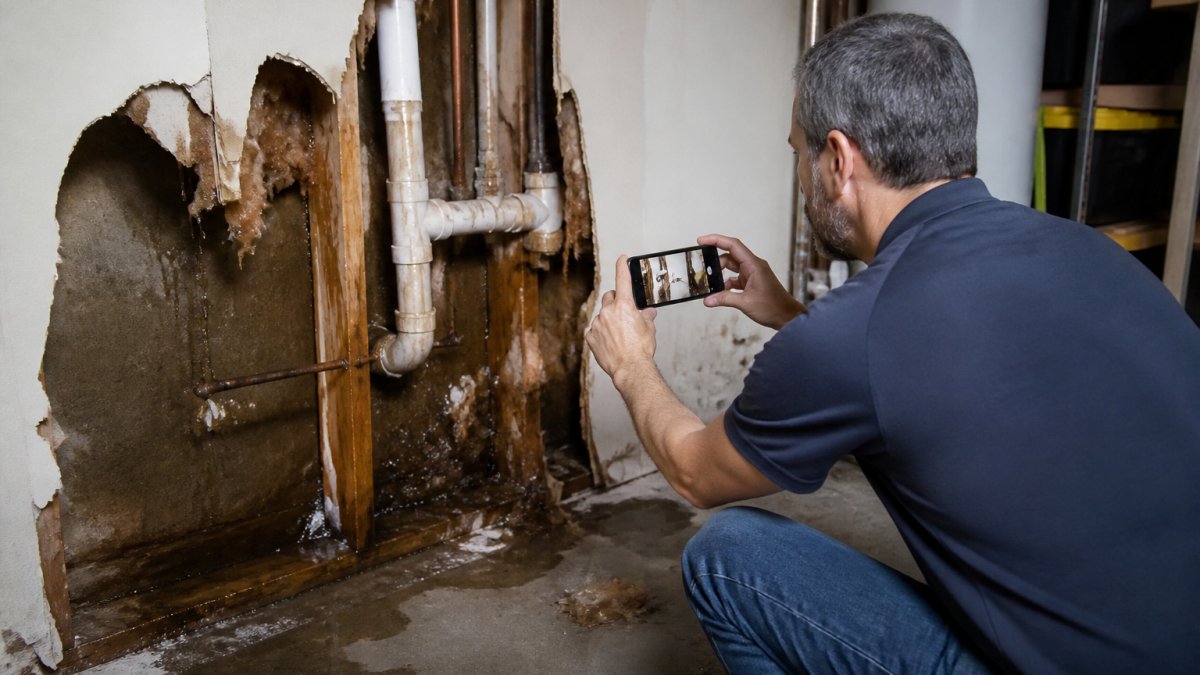
If your area experiences an unusual hard freeze that breaks temperature records, insurers are more forgiving, recognizing that even well-maintained homes can suffer burst pipes during unprecedented cold.
Here’s where many homeowners get disappointed: homeowners insurance typically does NOT cover the cost to repair or replace the burst pipe itself. It covers the water damage to your home and belongings; the pipe repair is usually your responsibility.
What you’ll typically pay out of pocket:
Your policy might pay thousands to replace water-damaged drywall and flooring, but you’ll pay separately, sometimes several hundred to several thousand dollars, to fix the pipe that caused the damage.
Some policies offer optional water line repair coverage, an endorsement covering water lines running from the street to your home, including the pipe repair cost. Check your policy documents or call your agent to see if you’ve purchased it.
308 Solutions Group provides free estimates for burst pipe repairs and offers 24/7 emergency service to minimize water damage. Our team can also assist with documenting damage for your adjuster.
When a pipe bursts, stop the water first, then document everything for your claim.
Immediate actions (first 15 minutes):
Within the first hour:
Within 24 hours:
Your adjuster will want evidence of the damage and your response. Proper documentation strengthens your claim and speeds approval.
Photos and videos to take:
Documents to gather:
Information to provide your adjuster:
Your adjuster will inspect the damage, review your documentation, and determine what’s covered. Most claims resolve within 30 days if documentation is complete and the cause clearly falls under “sudden and accidental.”
Every policy contains exclusions where coverage doesn’t apply. Understanding them prevents surprises when you file a claim.
Gradual leaks and seepage are almost never covered.
Lack of maintenance voids coverage for burst pipes. If your heating system failed and you didn’t repair it, or exposed attic pipes weren’t insulated, freezing damage won’t be covered.
Deductibles apply to water damage claims. Most homeowners have a $500 to $1,000 deductible, paid out of pocket before insurance kicks in.
Policy limits cap your coverage. If a burst pipe causes $50,000 in damage but your limit is $25,000, you pay the difference.
Sewer and drain backup is excluded from most standard policies. Sewage backup from a burst sewer line typically isn’t covered unless you’ve purchased optional sewer backup coverage.
According to the Insurance Information Institute, water damage is one of the most common homeowners insurance claims.
When a pipe bursts, homeowners insurance typically covers water damage to your home and belongings, but not the pipe repair itself. Coverage depends on whether the burst was sudden and accidental, not the result of neglect. Frozen pipes, gradual leaks, and lack of winterization usually aren’t covered; unexpected ruptures from freezing, age, or impact typically are.
The key to a successful claim is immediate action and thorough documentation. Stop the water, photograph the damage, and contact your insurer quickly. 308 Solutions Group provides 24/7 emergency plumbing service throughout the Dallas-Fort Worth area, and we can help you respond quickly to minimize damage and support your insurance claim. Contact us for a free estimate on burst pipe repair and water mitigation services. Our experienced team will get your plumbing restored.
Homeowners insurance typically covers sudden and accidental water damage from a burst or leaking pipe, but not gradual leaks caused by poor maintenance or wear and tear. The policy covers resulting damage to your home’s structure and personal property, but generally does not cover the cost to repair or replace the pipe itself unless you have additional coverage. Review your specific policy wording or contact your insurer to confirm what’s included.
Frozen pipe damage is usually covered if the pipe burst suddenly due to freezing temperatures, provided your home was heated and you made reasonable efforts to prevent freezing. However, if the freeze resulted from your failure to maintain adequate heat or protect pipes in unheated areas, the claim may be denied. Coverage also depends on whether the damage is sudden and accidental versus gradual. Check your policy for specific frozen pipe insurance coverage terms.
First, shut off the water immediately to prevent further damage. Document all water damage with photos and videos, then contact your insurance company to report the claim. Provide detailed information about when you discovered the burst, what caused it, and the extent of damage. Your adjuster will inspect the property and assess coverage. Keep receipts for emergency repairs and mitigation efforts, as these may be covered under your policy’s water mitigation provisions.
Most homeowners insurance policies do not cover the cost to repair or replace the burst pipe itself. However, they cover resulting water damage to walls, flooring, ceilings, and personal property. Some policies offer optional endorsements or add-ons that extend coverage to the pipe repair. The distinction between the pipe repair and the damage it causes is critical: your policy pays for the damage, not the plumbing fix. Ask your agent about coverage options for pipe repair costs.
Electrical & Plumbing Licenses:
TECL: 33332 - TSBPE: M-40316