
Last Updated: November 20, 2026
Quick Summary
The best EV charger brands in 2026 include Emporia, named Best Overall for its Pro and Classic models, alongside ChargePoint, Tesla, Grizzl-E, EVIQO, and IYILO. The strongest EV charger brands share reliable hardware, honest warranty terms, and software that doesn’t get abandoned.
Shopping for a home charger in 2026 means sorting through a crowded field where a handful of brands separate themselves from the pack. At 308 Solutions Group, we provide electrical services across the Dallas-Fort Worth area.
The EV charger brands that earn our trust share three traits: reliable hardware, honest warranty terms, and software that doesn’t get abandoned. Below, we break down several residential EV charger brands in 2026 by price, connector, and the household each one may suit.
| Brand / Model | Listed Price | Connector | Best Use Case |
|---|---|---|---|
| Emporia Pro & Classic | Not listed in supplied results | Not specified in supplied results | Best overall |
| ChargePoint Home Flex | $549.00 | Not specified in supplied results | Premium pick |
| Tesla Universal Wall Connector | Not listed in supplied results | NACS with J1772 adapter support | Future-proof |
| Tesla Wall Connector Gen 3 | Not listed in supplied results | NACS | Warranty leader |
| Grizzl-E Ultimate 48 | Not listed in supplied results | Not specified in supplied results | Scored 88/100 by Qmerit |
| EVIQO | $433.50 (from $510.99) | Not specified in supplied results | Best app |
| IYILO Level 2 | $433.50 (from $510.99) | Not specified in supplied results | Affordable overall pick |
Prices reflect the listed hardware figures from EV Charger Reviews’ 2026 roundup. Installation costs vary by home and are quoted separately.
Level 2 home EV chargers generally use a 240-volt dedicated circuit and may include features such as scheduled charging and weather-rated enclosures. Check each manufacturer’s current specifications before purchasing.
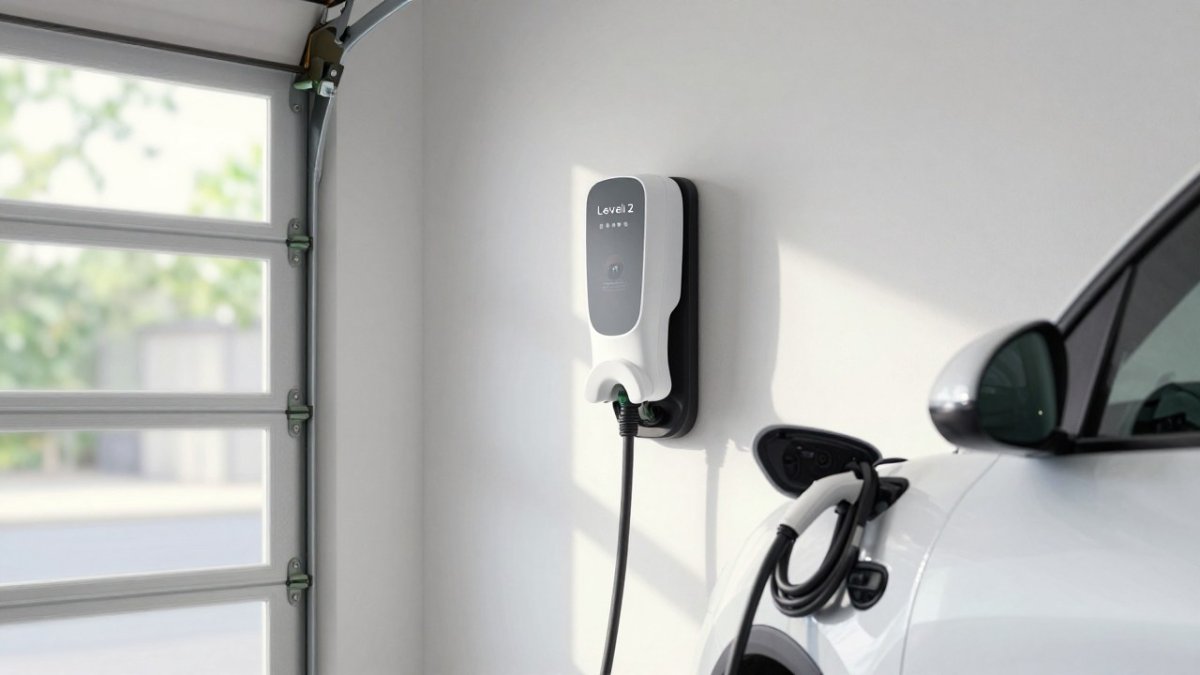
Car and Driver’s 2026 home charger roundup named the Emporia Pro and Emporia Classic as Best Overall picks. Both are residential units sold by the same manufacturer, which matters when you want one app and one support line for the house.
The supplied results do not include pricing or detailed specifications for either model, so confirm connector type and amperage on Emporia’s site before ordering.
Best for: homeowners who want a mainstream, well-reviewed unit from a single brand.
Skip if: you need documented connector flexibility for a mixed-vehicle household.
The ChargePoint Home Flex is listed at $549.00 in the supplied research, and some reviewers have described it as a premium option.
The supplied research does not detail its amperage settings or warranty length, so ask for the spec sheet.
Tesla’s Universal Wall Connector and Wall Connector Gen 3 are among the models that have been recognized in some 2026 roundups.
Neither model’s price or warranty duration appears in the supplied results.
This group covers value-oriented options. Prices and scores for these models vary by source, so verify current figures with each manufacturer.
Watch out: a portable charger is not a permanent installation, and some utilities treat plug-in units differently from hardwired ones for rebate purposes. Verify before you buy.
Tesla home charger compatibility generally depends on whether your vehicle uses the NACS connector or the J1772 standard. Confirm connector specifications with the manufacturer before purchasing.
Home EV charger electrical panel requirements start with capacity, not brand. A Level 2 charger draws a dedicated 240-volt circuit, and your panel must have room for a double-pole breaker plus enough spare load to carry the charger alongside your existing appliances.
Four checks determine whether your panel is ready:
If your panel is older but functioning, an upgrade may not be required. Whether one is needed depends on the load calculation and available breaker space. If you are unsure whether your panel can handle a charger, review the signs my electrical panel needs replacement before you schedule anything, and our team can walk you through electrical panel upgrades if the math doesn’t work.
EV charger installation cost generally depends on the distance from your panel to the mounting spot, whether the run is hardwired or plug-in, whether your panel needs an upgrade, and local permit requirements.
Pricing depends on the installation details, so request a written estimate that itemizes the circuit run, permit, and any panel work. For current pricing or a quote, visit the 308 Solutions Group website.
What most guides miss is the total cost of ownership, not just the install line item. The real number has three parts:
Homeowners often find that the circuit run or a panel upgrade affects total cost as much as the charger’s price. Budget for the whole system, not only the charger.
Permit requirements vary by jurisdiction, so confirm who pulls the permit before work starts.
Total ownership cost includes the charger, the installation, and ongoing electricity use over time.
Time-of-use rates can reduce charging costs, and many utility programs offer lower rates for off-peak charging. Scheduled charging through your charger’s app can help you take advantage of those rates. Utility rebates for home chargers vary widely by provider and change yearly, so check your utility’s current program page rather than relying on a guide written last year. U.S. Department of Energy guidance on home charging is a solid starting point for understanding the incentives landscape.
Long-term, consider whether firmware updates and app support will continue. Ask any brand how long it commits to software support before you buy.
Choosing the right brand is half the job. The other half is a correct installation: the right circuit, the right breaker, and a load calculation that keeps your panel safe.
At 308 Solutions Group, we provide electrical services across the Dallas-Fort Worth area, with more than 45 years of experience. We offer free estimates and 24/7 emergency support. When you are ready to move forward, you can book a professional EV charger installation or contact us directly with questions about your panel.
Your charger is only as good as the circuit behind it. Get the installation right the first time with 308 Solutions Group, backed by 45+ years of experience, free estimates, and 24/7 emergency support. Get started with 308 Solutions Group and charge at home with confidence.
The right charger depends on your vehicle’s connector, your panel capacity, and whether you need smart scheduling or load management. Compare current models and specifications from each manufacturer before purchasing.
Tesla home charger compatibility depends on your vehicle’s connector. Confirm the connector and adapter options for each model with the manufacturer before purchasing.
EV charger installation cost depends on your panel capacity, the distance from the panel to the charger location, and whether the unit is hardwired or plug-in. A simple install near an existing 240-volt circuit costs far less than one requiring a panel upgrade or long conduit run. 308 Solutions Group provides free estimates for DFW homeowners.
Not always, but home EV charger electrical panel requirements matter. A Level 2 charger typically needs a dedicated 240-volt circuit, which requires an open double-pole breaker position and enough spare panel capacity. If your panel is already near its limit, load management devices or a panel upgrade may be required. An electrician can perform a load calculation to confirm before you buy hardware.
Check four things: connector type (NACS, J1772, or both), charging speed in kilowatts and amperage, smart features like Wi-Fi scheduling and energy monitoring, and safety certification. Also confirm warranty coverage and whether the unit is rated for outdoor installation. Cable length and weather resistance matter if the charger goes on an exterior wall. Finally, verify your panel can support the amperage before committing to a 48-amp model.
Electrical & Plumbing Licenses:
TECL: 33332 - TSBPE: M-40316
