
Last Updated: October 24, 2026
Quick Summary
Professional plumber vs DIY depends on complexity and risk: minor repairs like replacing faucet aerators or unclogging drains are manageable DIY tasks, but water lines, sewer connections, water heaters, and burst pipes require a licensed professional to avoid costly water damage and code violations.
When weighing professional plumber vs DIY, the real question is: what’s the actual cost of getting it wrong? Upfront DIY savings can vanish quickly if something goes sideways.
The choice between a professional plumber and DIY plumbing repairs isn’t just about money, it’s about risk, time, and whether your fix solves the problem or creates new ones. Some repairs are manageable for a handy homeowner; others demand expertise you can’t pick up from a YouTube video.
Minor repairs like replacing a faucet aerator or unclogging a drain with a plunger fall into DIY territory. Anything involving water lines, sewer connections, or structural plumbing systems belongs in professional hands. The difference can mean thousands of dollars in water damage or code violations that tank your home’s resale value.
A professional plumber is the right choice when the repair involves complexity, risk, or permanent installation. If you’re uncertain whether you need professional help, that uncertainty itself is a signal.
Complex repairs requiring a licensed plumber include water heater replacement, sewer line issues, burst pipes, gas line work, and whole-house repipe jobs.
Emergency repairs demand speed and expertise. A burst pipe at 2 AM isn’t the time to experiment. Water damage spreads fast, within hours compromising walls, flooring, and electrical systems. A professional plumber diagnoses the issue, isolates the problem, and executes a permanent fix before damage compounds.
If the repair requires a permit, you need a professional. Most jurisdictions require permits for water heater installation, sewer line work, and any plumbing affecting your home’s main system. Unpermitted work can void your homeowner’s insurance, create liability issues, and become a problem when you sell. A licensed plumber handles permits, inspections, and compliance for you.
information on local plumbing codes and permit requirements
When to call a plumber also depends on the stakes. If the repair is in a visible, high-traffic area where mistakes show immediately, professional installation ensures quality you can rely on. If it affects your home’s core functionality, water supply, drainage, heating, mistakes compound.
Not every plumbing issue requires professional help. Some repairs are straightforward enough for a homeowner with basic tools and patience.
Replacing a faucet aerator is one of the easiest plumbing tasks. Unscrew the aerator from the faucet tip, rinse out debris, and screw a new one back on. Cost: a few dollars. Time: five minutes. Risk: essentially zero.
Fixing a running toilet often means replacing the fill valve or flapper inside the tank. These parts cost under twenty dollars and the job takes thirty minutes with a wrench and possibly a screwdriver.
Unclogging a drain with a plunger or hand snake works for many clogs caused by hair, soap, or food debris. A hand snake runs ten to twenty dollars.
Replacing a showerhead or swapping out a faucet (not connecting water lines) is manageable if you’re comfortable with basic hand tools. Showerheads simply unscrew. Some faucets require disconnecting supply lines, that’s where DIY gets riskier: one mistake and you’re dealing with leaks.
The key to successful DIY plumbing repairs is knowing your limits. If the job involves more than hand tools, requires shutting off your main water supply, or you’re unsure about any step, stop and call a professional.
The upfront cost difference between DIY and professional work looks dramatic until you factor in what goes wrong.
DIY plumbing materials are genuinely inexpensive for minor repairs. A new faucet aerator costs two to five dollars, replacement fill valves and flappers run eight to fifteen dollars, a hand snake ten to twenty, a plunger five to fifteen.
The hidden cost in DIY is tools. If you don’t own a wrench, adjustable pliers, a screwdriver set, and a plunger, that’s another fifty to one hundred dollars. But tools are reusable, so future DIY repairs cost less.
Professional plumbing labor typically includes a service call fee, hourly labor rates, and parts markup.
Where professional work saves money is in prevention. A plumber diagnoses root causes, not just symptoms. If your drain keeps clogging, a plumber identifies whether it’s a partial blockage, a structural issue in the line, or a vent problem.
Professional work also carries accountability. If a repair fails within a reasonable timeframe, the plumber typically warrants the work. DIY repairs have no warranty.
The real cost comparison looks like this:
| Scenario | DIY Cost | Professional Cost | Key Trade-off |
|---|---|---|---|
| Replace faucet aerator | $5 | $75-150 | Speed vs. savings |
| Fix running toilet | $15-30 | $150-300 | Diagnosis included with pro |
| Clear simple drain clog | $10-20 | $150-300 | Risk of incomplete fix with DIY |
| Replace water heater | $400-800 (materials) | $1,200-2,500 (labor + parts) | Permits, warranty, installation |
| Repair burst pipe | $50-200 (materials) | $500-1,500+ (emergency labor) | Damage prevention with pro |
For minor repairs, DIY saves money. For anything beyond that, the professional cost includes expertise, permits, warranty, and insurance, things that protect your home and your wallet long-term.
A basic DIY plumbing toolkit costs fifty to one hundred dollars and covers most minor repairs: adjustable wrench, pipe wrench, adjustable pliers, screwdriver set (Phillips and flathead), a plunger, and a hand snake.
An adjustable wrench handles most nut-and-bolt work around faucets and supply lines. A pipe wrench grips rounded pipes firmly, essential if you’re disconnecting supply lines. Adjustable pliers work for fittings and small nuts.
These tools work for surface-level repairs. They fall short fast when you encounter problems beneath the sink, inside walls, or in the main sewer line.
A hand snake can’t reach clogs deeper than ten to fifteen feet. Professional plumbers use motorized drain snakes that can push through fifty feet or more of line.
Basic wrenches can’t access tight spaces or apply the torque needed for corroded fittings. If a connection is stuck or seized, you risk stripping it with hand tools, creating a worse problem.
Professional plumbers also carry diagnostic equipment: cameras that inspect inside pipes, pressure gauges that test for leaks, and moisture meters that detect hidden water damage.
The moment your DIY toolkit becomes insufficient is the moment you should call a professional. Pushing beyond your tools’ capability risks damaging your plumbing system further.
This is where DIY plumbing gets expensive fast. Water damage is the biggest risk, and it compounds silently.
A small leak under a sink might seem minor. But if it runs for weeks or months, it saturates the cabinet, the wall behind it, and the subfloor. Mold grows, structural wood rots, electrical wiring corrodes.
An incorrectly installed fitting or a connection that wasn’t tightened properly leaks slowly, and you might not notice until water damage is already underway.
Code violations create legal and financial problems. Understanding permit requirements before starting any plumbing work helps you avoid these costly mistakes.
Gas line work is particularly dangerous. If you’re not licensed and trained, a mistake can create a gas leak, a fire and explosion hazard. Gas line work must be done by a licensed professional. Period.
Hidden costs mount when DIY repairs fail. You buy parts, do the work, and discover the problem persists or worsens.
The psychological cost is real too. If you’re uncertain about a repair, stress builds: what if you make it worse? Professional work removes that uncertainty. You get a diagnosis, a solution, and a warranty.
When you decide to hire a professional, the next challenge is finding the right one. Not all plumbers are equal, and a bad hire creates its own problems.
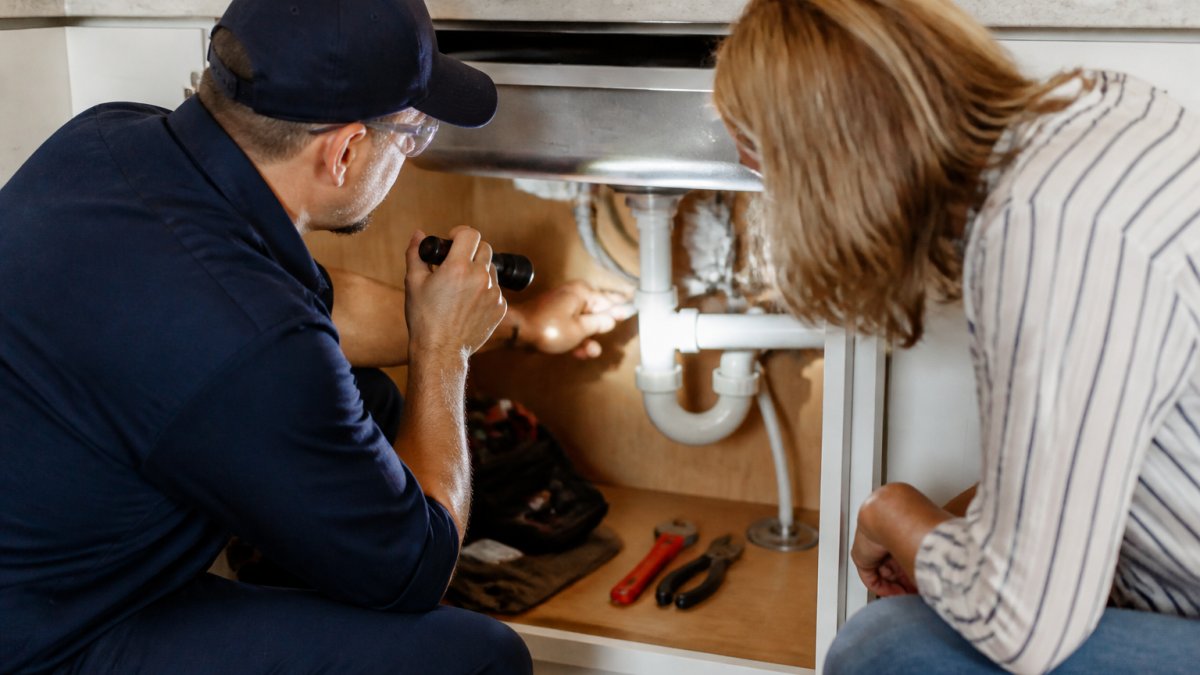
Start by checking credentials. A licensed plumber has passed exams, carries insurance, and is accountable to their licensing board.
Get multiple estimates. Call three to five plumbers and describe the problem in detail.
Do I Need a Permit for Plumbing Work?
Ask about warranties. A professional plumber should warranty their work for at least one year.
Check references and reviews. Ask the plumber for references from recent jobs and call those customers. Online reviews on Google, Yelp, or the Better Business Bureau give you a broader picture.
Top Signs You Need A Professional Plumbing Inspection In Fort Worth
Understand the pricing structure before work begins. Some plumbers charge hourly rates, others flat fees for specific jobs.
Avoid Surprise Plumbing Charges Guide
Avoid the temptation to hire the cheapest option. The plumber who quotes half what others charge is either inexperienced, cutting corners, or underestimating the work.
Ask about their experience with your specific problem. A plumber who specializes in water heater replacement knows that system inside out. A plumber who handles everything might not.
If you’re in the Dallas-Fort Worth area, 308 Solutions Group has 45 years of experience handling everything from emergency repairs to system replacements. We offer free estimates, competitive pricing, and 24/7 emergency support. Plumbing Repair services are available for immediate booking.
The decision between DIY and professional plumbing repairs hinges on complexity, risk, and cost.
DIY repairs may save on labor costs upfront, but mistakes often cost more to fix. A failed DIY repair can lead to water damage, mold, or code violations that require expensive professional remediation. Professional plumbers charge for expertise and accountability; the investment typically prevents costlier problems down the line. For minor repairs like replacing a faucet washer, DIY saves money. For anything involving the main line, water heater, or structural pipes, professional work protects your long-term investment.
Call a professional plumber for water heater issues, sewer line problems, main water line leaks, complex drain clogs, or any repair requiring permits. If you lack plumbing knowledge, the repair involves hidden pipes behind walls, or you’re unsure about local plumbing codes, hire a plumber. Emergency repairs at odd hours also justify professional help. Most homeowners lack the diagnostic tools, experience, and insurance to handle these safely. A professional assessment costs far less than repairing damage from a wrong diagnosis.
Common risks include water damage from improper sealing, code violations that create liability or inspection failures, cross-contamination of water lines, and structural damage if you cut into pipes incorrectly. A failed DIY repair can cause mold, foundation problems, or electrical hazards. You also lack the diagnostic equipment to identify the real problem, so you may fix the symptom while the underlying issue worsens. Without proper permits or insurance, you’re liable for any damage or injury. Professional plumbers carry insurance and warranty their work, protecting you legally and financially.
Safe DIY repairs include replacing faucet washers, unclogging drains with a plunger or hand snake, replacing toilet fill valves, fixing leaky supply line connections, and installing new fixtures like towel bars or drain strainers. These require basic tools and don’t affect the main water line or structural integrity. Avoid anything involving the water heater, main shut-off valve, sewer line, or pipes behind walls. If you’re unsure whether a repair is within your skill level, consult a professional first. A quick phone call costs nothing and prevents expensive mistakes.
Get a free estimate in writing that breaks down labor, parts, and any service fees. Compare estimates from at least two plumbers to understand the market rate in your area. Ask what the estimate includes and whether there are hourly rates if the job runs longer. Beware of estimates that seem unusually low or vague; they often hide surprise charges. A reputable plumber explains the problem, shows you the damage if needed, and stands behind their work with a warranty. Don’t choose solely on price; reliability, experience, and warranty matter more than saving $50 on a $300 repair.
Electrical & Plumbing Licenses:
TECL: 33332 - TSBPE: M-40316
