
Last Updated: October 1, 2026
The cost of water heater replacement in the Dallas-Fort Worth area depends on the type of unit, installation complexity, and local labor rates. Understanding what influences this price helps you avoid surprise charges and make an informed decision when your water heater fails.
Several factors determine your final bill. The equipment itself accounts for a significant portion, a standard 40-gallon or 50-gallon tank costs less than a tankless unit. Installation labor varies based on your home’s plumbing configuration, whether gas line modifications are needed, and whether local code compliance requires additional work like thermal expansion tank installation or venting upgrades.
At 308 Solutions Group, we’ve helped hundreds of homeowners navigate water heater replacement decisions. Our team breaks down costs transparently so you understand exactly what you’re paying for, equipment, labor, permits, and disposal fees.
A traditional tank water heater typically costs less upfront than a tankless system. Tank units are straightforward to install in most homes, which keeps labor costs lower. Tankless water heater installation cost, by contrast, often runs significantly higher because these systems require different venting, gas line sizing adjustments, and more complex setup procedures.
Tank models come in standard sizes, 40-gallon and 50-gallon tanks are most common for residential homes. Installation usually takes a few hours, and if your existing connections match the new unit, labor stays minimal. Tankless systems demand more precision.
The long-term equation changes the picture. Tankless units deliver energy efficiency benefits over time, but that payoff takes years to materialize. If you’re replacing a failed water heater on an emergency basis, the upfront cost difference matters most. For planned replacements, energy savings may justify the higher initial investment.
Gas water heaters dominate in the Dallas-Fort Worth area because natural gas is widely available and relatively affordable. A gas unit typically costs less to operate than electric, though installation may involve gas line connection work if your existing setup needs updates.
Electric water heaters cost less to install because they require only standard electrical connections, no gas line, no venting complexity. However, they consume more energy and cost more to run over time. If your home already has adequate electrical capacity, electric installation is straightforward.
Gas line connection work is common during water heater replacement. Local plumbing code requires proper sizing, testing, and inspection. Some homes need a new gas line run or an existing line upgraded. This work adds to your total project cost but ensures safe, compliant operation.
Your water heater typically lasts 8 to 12 years, depending on water quality and maintenance. Several warning signs indicate replacement is coming soon. Rust or sediment buildup on the tank exterior suggests internal corrosion. Leaking from the base means the tank has failed internally and replacement is your only option.
Strange noises, rumbling, popping, or banging, signal sediment accumulation inside the tank. As sediment builds up, heating efficiency drops and the tank weakens. Inconsistent water temperature or insufficient hot water output often precedes complete failure.
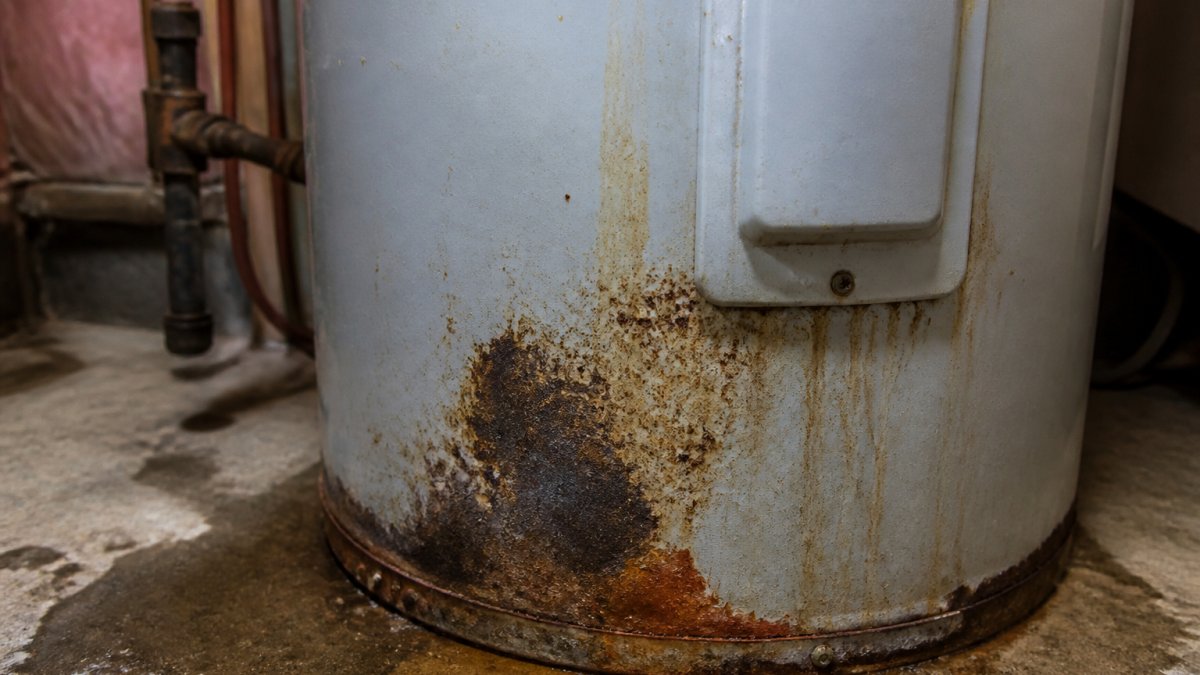
The difference between emergency and scheduled replacement matters for your budget. A scheduled replacement gives you time to compare options, get multiple quotes, and plan financing. An emergency replacement, when your water heater fails at 2 AM, limits your choices and typically costs more because you need immediate service.
Your total water heater replacement cost splits into several distinct categories: equipment, labor, permits, and disposal.
Labor costs vary based on installation complexity. A straightforward tank replacement in a home with existing connections might take 2 to 4 hours.
Disposal and recycling fees are a separate, often-overlooked line item that many homeowners don’t anticipate. Your old water heater must be removed from your home and disposed of properly according to environmental regulations.
Recycling is the environmentally responsible path. Most water heater tanks are made of steel and are recyclable; the metal scrap has value, which offsets some disposal costs.
Permit fees, discussed separately, add to your project cost depending on your jurisdiction.
When you receive a quote, ask for an itemized breakdown: equipment cost, labor hours and rate, permit fees, and disposal fees listed separately.
Local building codes require permits for water heater replacement in most jurisdictions across the region. A permit ensures your installation meets current plumbing code standards and passes inspection. The permit process protects you by guaranteeing the work is done safely and correctly.
Permit fees vary significantly by municipality. Most jurisdictions in the area charge for a water heater replacement permit, though some charge based on equipment cost or project complexity.
Code compliance work frequently adds cost beyond the permit fee itself. Current plumbing codes in most jurisdictions now require a thermal expansion tank on closed-loop water heater systems, this is a safety device that is mandatory if your home has a check valve or backflow preventer on the main water line (IAPMO). Additionally, many areas require pressure relief valve upgrades, sediment trap installation on gas lines, or updated venting that meets current energy code standards. If your existing plumbing connections don’t meet current code, for instance, if copper piping is corroded or if gas line sizing is undersized for a new unit, your plumber must complete that remedial work as part of the replacement. These upgrades protect your system, satisfy inspection requirements, and prevent costly callbacks.
Gas line work is a common code compliance trigger. If your water heater is converting from electric to gas, or if your existing gas line is undersized for a new unit, the plumber must run a new line or upsize the existing one.
Understanding these code-driven costs upfront prevents inspection failures and expensive rework.
Tankless water heater installation cost runs higher upfront because these systems demand more complex setup. You’re paying for the unit itself, which costs more than a tank model, plus labor-intensive installation work. Gas line sizing, venting modifications, and water pressure regulator installation all add time and expense.
The payoff comes through energy efficiency. Tankless units heat water on demand rather than maintaining a tank of hot water continuously. Over time, this efficiency translates to lower utility bills. The energy savings accumulate year after year, eventually offsetting the higher initial cost.
However, the timeline matters. If you plan to stay in your home for 10+ years, a tankless upgrade makes financial sense. If you’re selling within 5 years, the payback period may not justify the upfront investment. Your personal situation determines whether tankless is worth the cost premium.
Emergency water heater replacement costs more than scheduled replacement because you have fewer options and less time to plan. When your water heater fails at night or on a weekend, emergency service rates apply.
Scheduled replacement lets you shop around, compare quotes, and choose the best time for installation. You can plan for the disruption to your home and coordinate with your plumber’s regular schedule.
The difference can be substantial. An emergency call-out may include after-hours fees, expedited scheduling charges, or higher labor rates. A scheduled replacement during normal business hours costs less because your plumber isn’t disrupting their regular workflow.
If your water heater shows warning signs, rust, sediment, age approaching 10 years, schedule replacement proactively. This approach gives you control over timing and budget rather than facing an emergency at the worst possible moment.
A detailed quote protects you from surprise costs. Before any work begins, your plumber should provide a written estimate that breaks down equipment, labor, permits, and disposal fees separately.
Ask about what’s included and what’s not. Some plumbers include disposal in their labor quote; others charge separately. Permit fees may or may not be listed.
Hidden charges often emerge during installation when unexpected conditions surface. Old plumbing may need upgrades to meet current code. Your gas line might require sizing work. Your electrical panel might need capacity evaluation for an electric unit. A reputable plumber explains these issues as they discover them and provides updated pricing before proceeding.
308 Solutions Group offers free estimates for water heater replacement, so you understand your costs upfront. Our team identifies potential code compliance issues, disposal requirements, and any additional work needed before providing your final quote.
Request quotes from multiple plumbers in your area. Compare what’s included in each estimate. The lowest price isn’t always the best value if it excludes critical work or comes from an unlicensed contractor.
Choosing the right time and approach for water heater replacement saves money and prevents emergency stress.
Water heater replacement cost varies based on system type and installation complexity. Standard tank units vary in cost, as do tankless systems. Factors like labor availability, permit requirements, venting modifications, and whether you need a thermal expansion tank or drain pan all affect the final price. Request a free estimate from a licensed plumber to get accurate pricing for your specific situation.
Tankless water heater installation cost is significantly higher upfront compared to standard tank units. The premium reflects additional labor for gas line upgrades, venting requirements, and specialized installation expertise. However, tankless systems deliver long-term energy efficiency savings through reduced standby heat loss and on-demand hot water delivery, which can offset the initial investment over 15-20 years of operation.
Signs of water heater failure include rusty water from the tap, visible corrosion or leaks around the tank, strange noises during heating, reduced hot water supply, and age over 10-12 years. If your unit is leaking, shows significant rust buildup, or fails to maintain temperature, replacement is typically more cost-effective than repair. Emergency replacement due to sudden failure costs more than scheduled replacement, so addressing these warning signs early can help you plan and budget accordingly.
Yes, water heater permit requirements vary by local jurisdiction but add to your total project cost. Permits ensure your installation meets current plumbing code and electrical standards for safety and efficiency. Your plumber should handle permit applications and inspections as part of the installation. Skipping permits can create problems during home sales or insurance claims, so budget for this compliance cost upfront.
Electrical & Plumbing Licenses:
TECL: 33332 - TSBPE: M-40316